Silicone-based additives play a critical role in the production of polyurethane (PU) foams, influencing cell structure, foam stability, mechanical strength, and thermal insulation performance. These materials are widely used across flexible foam, rigid foam, and specialty foam systems in industries such as construction, refrigeration, automotive, and insulation.
Silicone surfactants, silicone oils, and foam stabilizers are essential in controlling the complex reaction between polyols and isocyanates, ensuring uniform foam formation and preventing collapse or defects during expansion.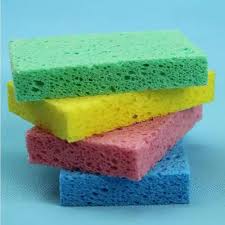
During polyurethane foaming, gas generation and polymerization occur simultaneously. Without stabilization, the foam structure can collapse, coalesce, or become uneven.
Silicone-based additives function by:
Reducing surface tension between liquid phases
Stabilizing gas bubbles during expansion
Controlling cell size and distribution
Preventing cell collapse and coalescence
Improving emulsification of raw materials
Enhancing overall foam uniformity and performance
These effects are critical for both flexible and rigid polyurethane foams.
Silicone surfactants used in rigid PU foam are typically polyether-modified polysiloxanes. They are designed to stabilize foam structure during rapid expansion and ensure fine, closed-cell formation.
Key functions include:
Cell nucleation control
Foam flow regulation
Prevention of collapse
Improvement of thermal insulation properties
For example, rigid foam stabilizers such as ADDSiL™ 11050 are used in refrigeration and insulation systems to produce fine-cell foams with low thermal conductivity.
Silicone oil is commonly used in soft flexible PU foams, where it acts as a foam stabilizer and cell regulator.
Its main roles include:
Controlling bubble formation in flexible foam systems
Improving elasticity and resilience
Enhancing softness and comfort properties
Stabilizing foam during rise and curing
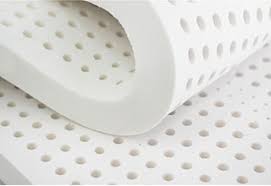
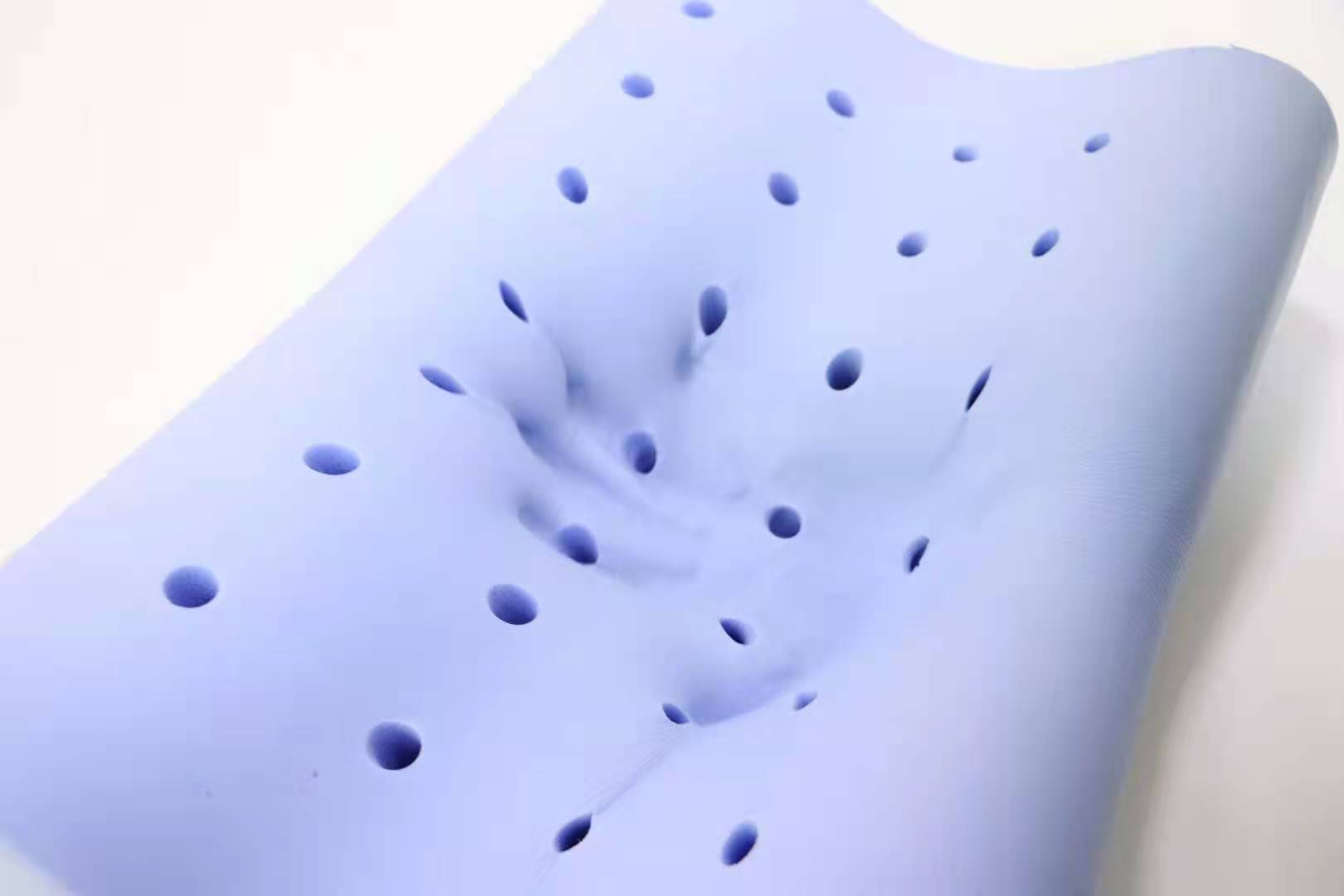
In soft foam applications, silicone oils help ensure uniform cell structure, which is essential for products such as furniture foam, mattresses, and cushioning materials.
PU foam silicone stabilizers are a broader class of additives that include both rigid and flexible foam systems. These materials are typically silicone-polyether copolymers designed to optimize foam morphology.
Core functions:
Stabilization of foam cells
Improved compatibility of raw materials
Reduction of surface tension
Prevention of phase separation
Enhancement of nucleation and bubble uniformity
These stabilizers are widely used in slabstock foam, molded foam, and rigid insulation systems.
Silicone surfactants work at the molecular level due to their amphiphilic structure, consisting of:
A hydrophobic polydimethylsiloxane (PDMS) backbone
Hydrophilic polyether side chains
This structure allows them to:
Migrate to gas–liquid interfaces
Stabilize bubble walls
Control surface tension gradients (Marangoni effect)
Prevent bubble merging and collapse
The result is a stable foam structure with controlled cell size distribution and improved mechanical integrity.
Used in:
Refrigerators and freezers
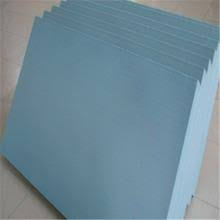
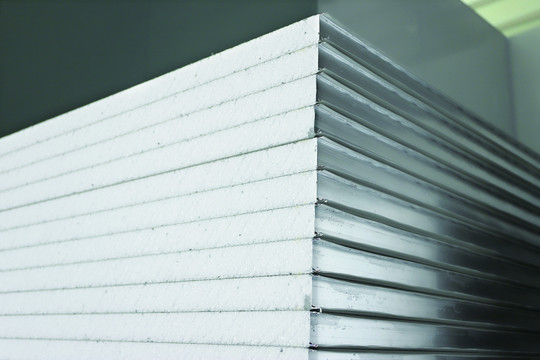
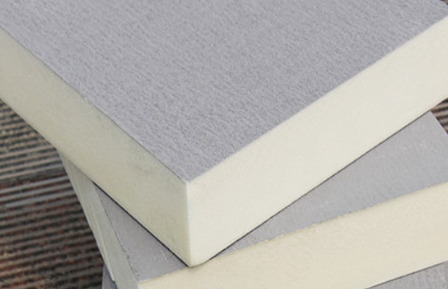
Building insulation panels
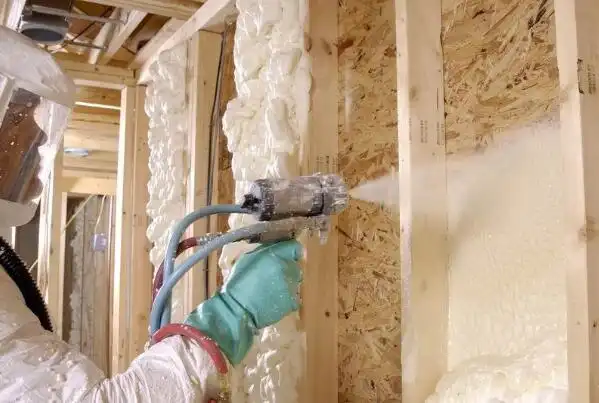
Spray foam insulation
Pipe insulation systems
Benefits:
High thermal insulation efficiency
Fine closed-cell structure
Low thermal conductivity
Improved dimensional stability
Used in:
Furniture and mattresses
Automotive seating
Packaging cushioning
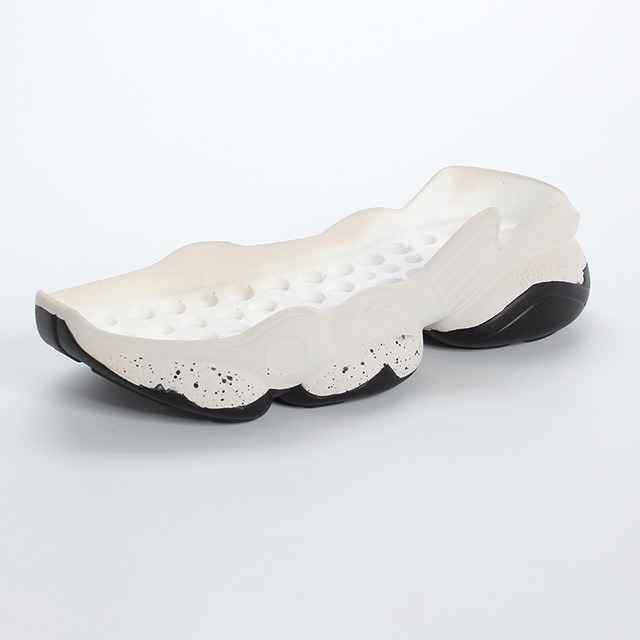
Shoe sole foams
Benefits:
Softness and elasticity
High resilience
Uniform comfort properties
Controlled airflow and density
Used in:
Construction sealants
Gap filling foams
Installation foams
Silicone stabilizers ensure consistent expansion and prevent collapse during curing.
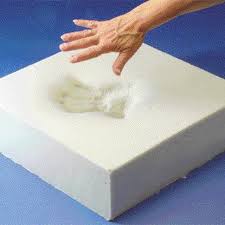
Silicone additives prevent foam collapse by stabilizing cell walls during expansion.
They enable fine, uniform cells that improve insulation and mechanical properties.
They improve mixing of polyols, isocyanates, and blowing agents, reducing phase separation.
Closed-cell rigid foams with silicone surfactants exhibit significantly lower thermal conductivity.
They improve flow behavior and reduce defects during manufacturing.
Different silicone surfactants are selected based on:
Foam type (rigid vs flexible)
Blowing agent system (water, cyclopentane, HFC, HFO, etc.)
Required cell structure (open vs closed cell)
Processing conditions (continuous or discontinuous systems)
Formulation optimization is critical, and dosage typically ranges from 1–3 parts per hundred polyol (php) depending on system design.
The PU foam industry is evolving toward:
Low thermal conductivity insulation systems
Hydrofluoroolefin (HFO) blowing agents for environmental compliance
Higher-efficiency silicone surfactants for finer cell control
Sustainable and low-VOC foam systems
Customized surfactants for specific industrial applications
Silicone technology continues to advance alongside energy efficiency and environmental requirements.
Silicone surfactants, silicone oils, and foam stabilizers are essential functional additives in polyurethane foam production. They control foam structure at the molecular level, enabling the creation of stable, uniform, and high-performance foams across rigid insulation, flexible cushioning, and industrial sealing applications.
As polyurethane technology continues to evolve, silicone-based additives will remain a core component in achieving better insulation performance, improved mechanical properties, and more sustainable foam systems.