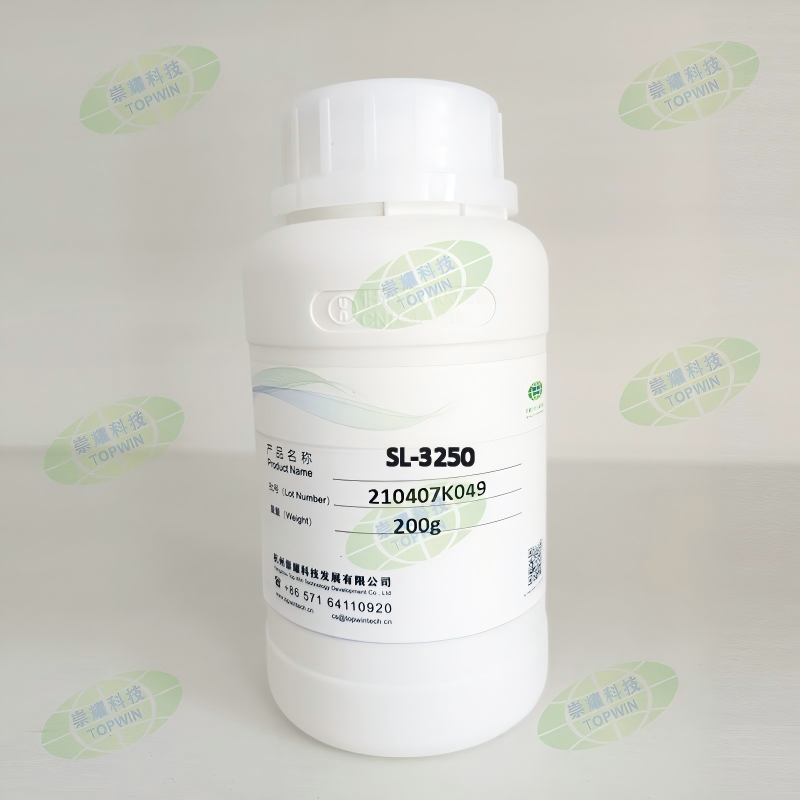
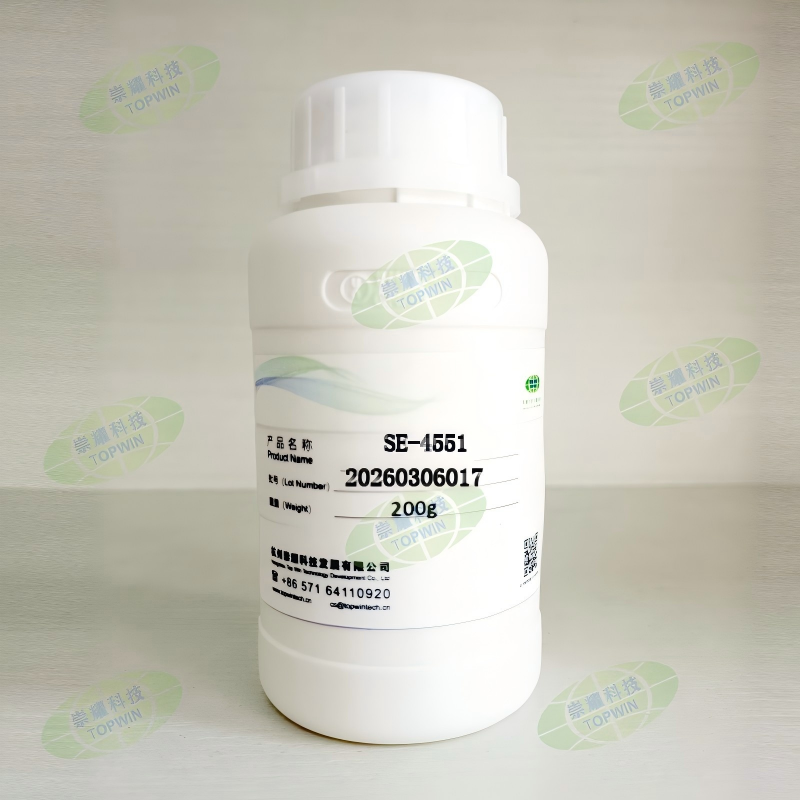
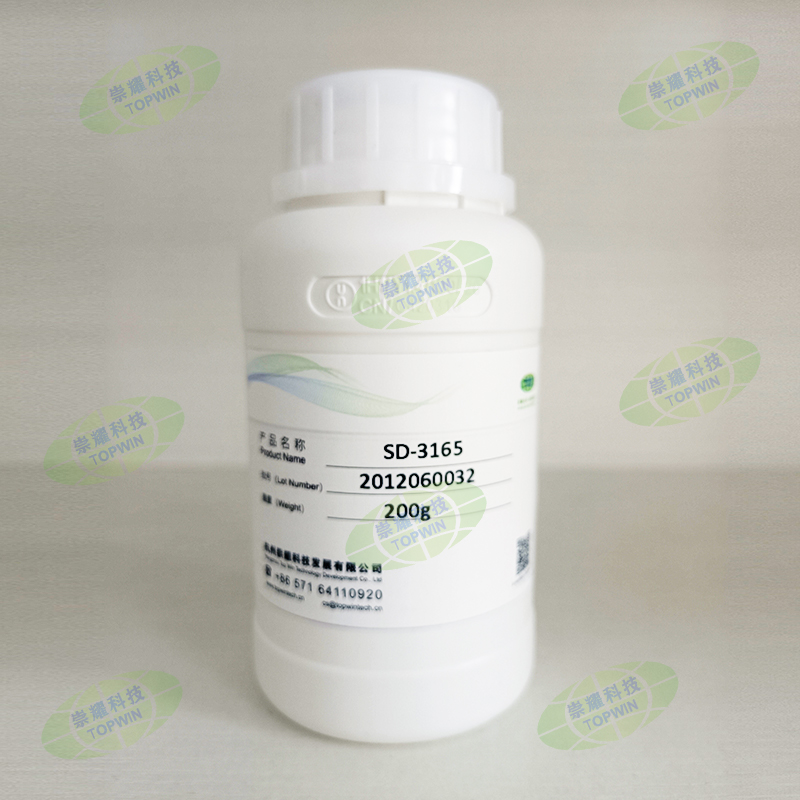
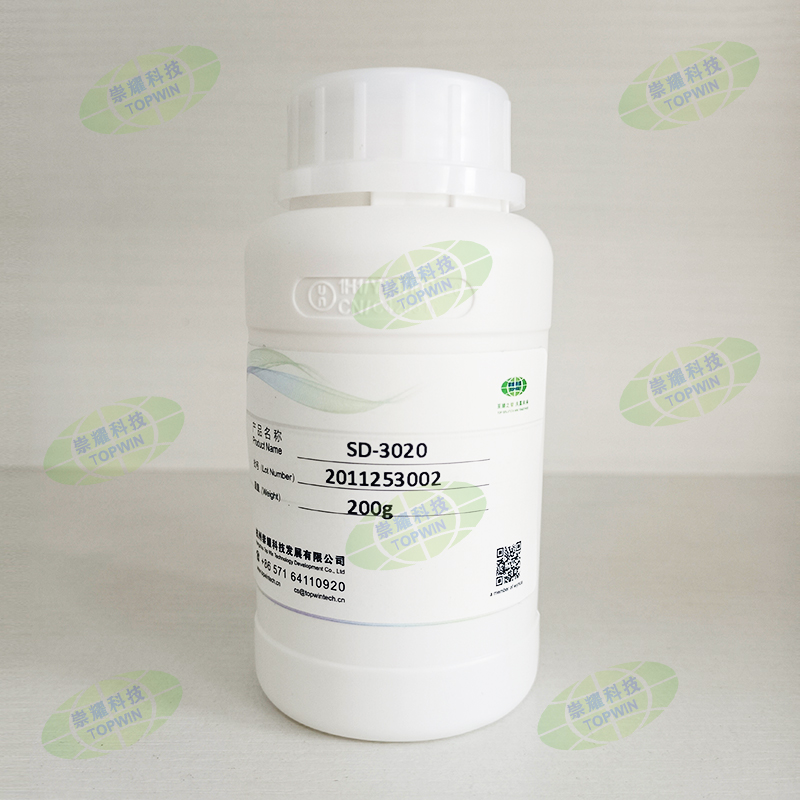
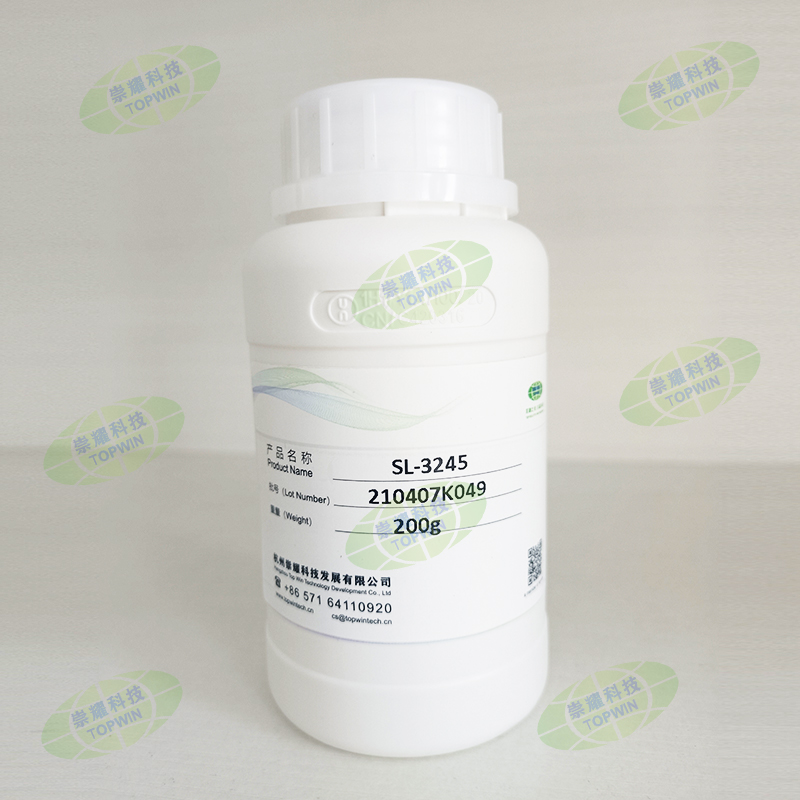
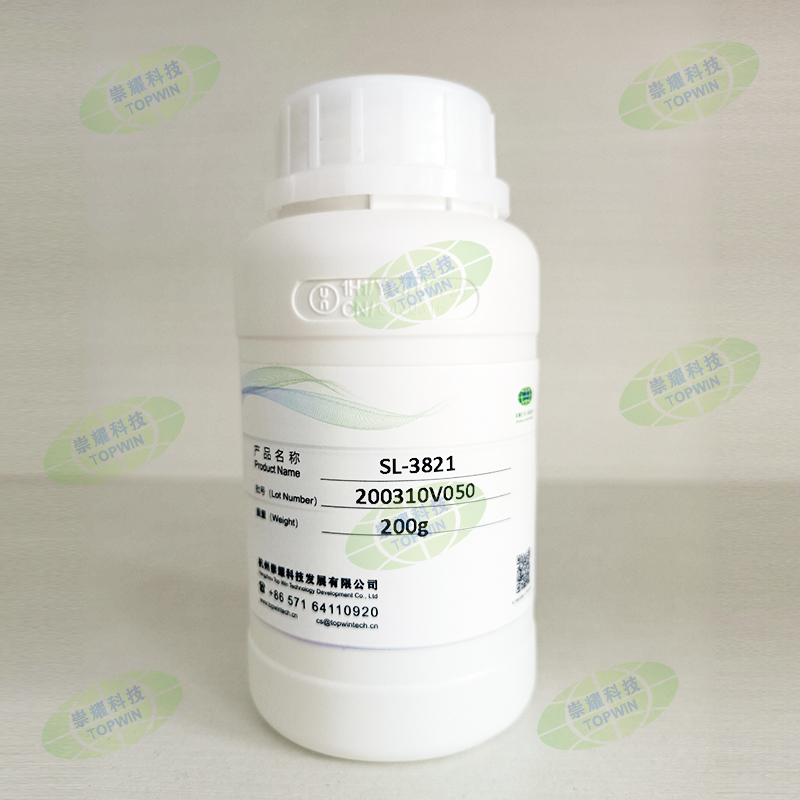
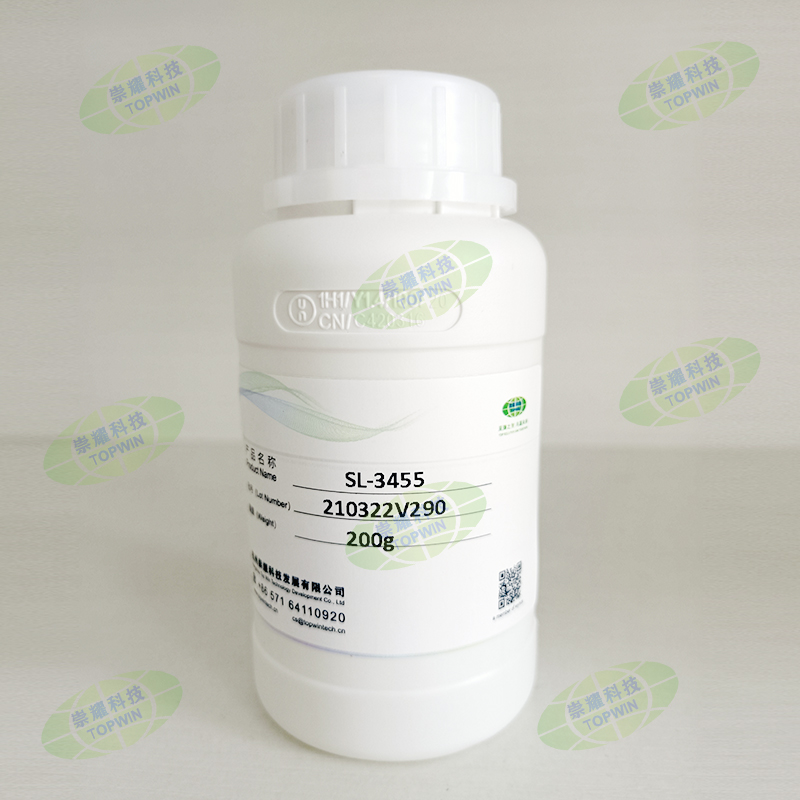
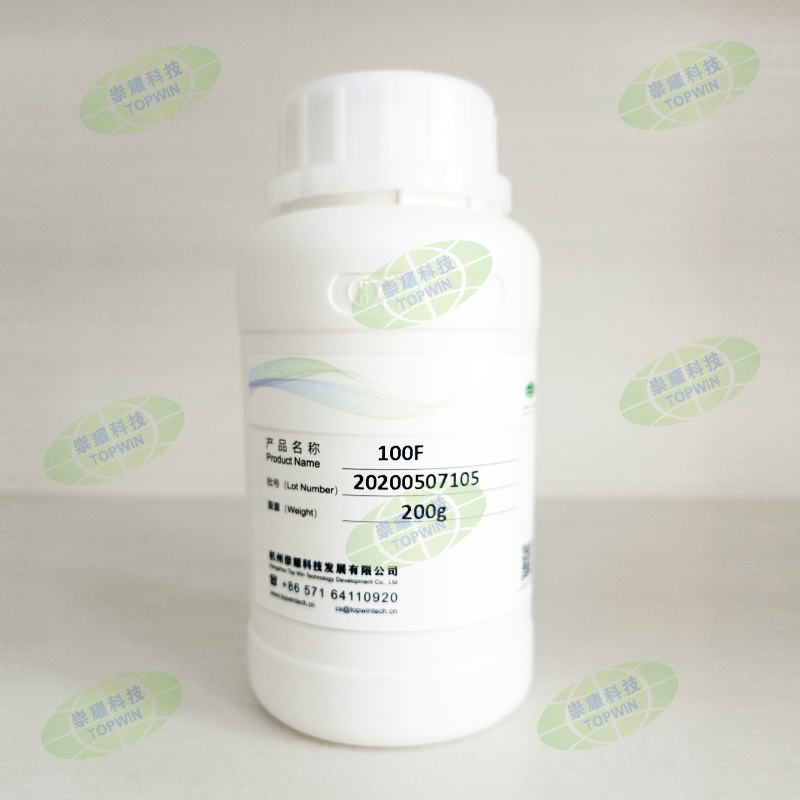
Enter carbinol-functional silicon-based technologies. By integrating reactive into silicone polymer backbones or terminal ends, these advanced additives bridge the gap between organic matrices and silicone performance. This article explores how carbinol-functional silicones are reshaping modern coating formulations, offering enhanced chemical bonding, improved mechanical properties, and superior surface aesthetics.
Carbinol-functional silicones are essentially polydimethylsiloxanes (PDMS) modified with primary alcohol groups. These reactive sites can be structured in various configurations, including:
ABA Linear Silicone Carbinol Fluids: Featuring terminal hydroxyl functionality, these molecules allow for controlled chain extension or end-capping.
Comb-like Copolymers: Polyether or alkyl chains containing carbinol groups grafted along the silicone backbone, balancing hydrophobicity with compatibility.
Carbinol-Functional Silicone Resins: Highly crosslinkable structures that impart exceptional rigidity, hardness, and thermal resistance when reacted with organic binders.
Unlike non-reactive silicone oils—which tend to migrate to the surface and can cause recoating or adhesion failures—carbinol-functional silicones can chemically react with resin systems like polyurethanes, epoxies, and amino resins. This covalent bonding ensures permanent integration into the polymer network, preventing leaching or washing out over time.
Coatings exposed to harsh environments demand high scratch and abrasion resistance. Formulations incorporating carbinol-functional silicone resins demonstrate significantly improved mar resistance compared to conventional non-functional counterparts. The rigid siloxane network combined with the organic reactivity creates a tough, resilient surface film capable of withstanding heavy mechanical wear.
One of the primary challenges in waterborne and radiation-cured coatings is maintaining clarity and preventing defects like haze or cratering. Carbinol functionalities allow formulators to fine-tune the hydrophilic-lipophilic balance (HLB). This optimization prevents phase separation, ensuring crystal-clear finishes in demanding applications such as parquet lacquers and architectural wood coatings.
Because carbinol groups possess active hydrogen atoms, they readily react with isocyanate groups ($\text{-N}=\text{C}=\text{O}$) in polyurethane systems. This reaction builds interpenetrating networks that boost flexibility, tensile strength, and impact resistance without sacrificing the characteristic low surface energy and smooth tactile feel of silicone.
The migration of low surface energy segments toward the coating-air interface during the curing process creates a repellent barrier against dirt, moisture, and graffiti markers. Because the carbinol groups anchor the silicone securely to the matrix, these easy-to-clean properties remain durable even after repeated washing or weathering.
The versatility of carbinol-functional silicon technologies makes them valuable across multiple high-performance markets:
Wood and Parquet Coatings: Providing exceptional scratch protection and smooth touch for high-traffic wooden floors while maintaining transparency.
Automotive and Industrial Baking Paints: Enhancing weather resistance, gloss retention, and flow properties.
Synthetic Leather Finishes: Improving breathability, softness, and flex endurance through polyurethane modification.
Specialty Inks and Overprint Varnishes: Enhancing slip, anti-blocking characteristics, and chemical resistance.
As coating technologies continue to transition toward sustainable, high-performance formulations, carbinol-functional silicon-based technologies offer a robust solution for formulators. By combining the unique surface benefits of silicones with the robust chemical anchoring of reactive hydroxyl groups, these materials deliver long-lasting protection, aesthetic excellence, and environmental compliance. Embracing carbinol chemistry opens new pathways for developing the next generation of smart, durable, and high-performance coatings.