Silicone surfactants are essential additives in polyurethane (PU) foam production. Also known as silicone foam stabilizers, they help control cell structure, stabilize foam during expansion, and improve the physical properties of finished products.
Used in both flexible and rigid polyurethane foams, silicone surfactants play an important role in achieving uniform cell structures, preventing foam collapse, and optimizing thermal insulation, airflow, and dimensional stability.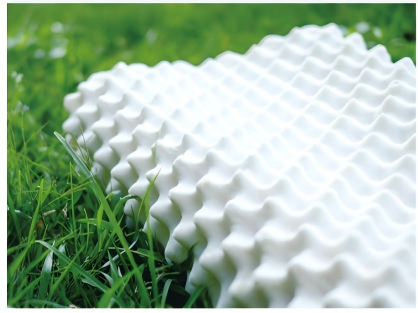
Silicone surfactants are typically polyether-modified polysiloxane copolymers, consisting of a silicone backbone (Si–O–Si) combined with polyether chains containing ethylene oxide (EO) and propylene oxide (PO).
This molecular structure provides excellent surface activity and compatibility with polyurethane formulations.
During the reaction between polyol and isocyanate, silicone surfactants perform four main functions:
Emulsification: Help distribute polyol, isocyanate, water, catalysts, and blowing agents evenly throughout the formulation.
Bubble Nucleation: Promote the formation of fine, uniform air bubbles that become the foundation of the foam cell structure.
Foam Stabilization: Prevent cell walls from draining, merging, or breaking during foam expansion.
Cell Structure Regulation: Control the formation of open or closed cells according to the requirements of different PU foam applications.
These functions help improve foam consistency, processing stability, and finished product quality.
Silicone surfactants promote the formation of small, evenly distributed cells during foaming. A uniform cell structure improves the mechanical properties, appearance, and overall consistency of polyurethane foam.
In rigid foam, fine cells help retain blowing agents and reduce heat transfer. In flexible foam, controlled cell structures contribute to softness, elasticity, and breathability.
During polyurethane production, expanding bubbles can merge or collapse before the polymer fully cures. Silicone surfactants stabilize cell walls and help maintain the foam structure throughout the rising and curing stages.
This reduces common production defects such as:
Foam collapse and shrinkage.
Uneven cell distribution.
Large voids and coarse cells.
Surface irregularities and splits.
In rigid polyurethane foam, silicone surfactants help maintain a high proportion of fine, closed cells. This structure reduces heat transfer and helps achieve low thermal conductivity.
As a result, they are particularly important in refrigeration equipment, insulated panels, cold storage facilities, and pipe insulation systems.
A stable closed-cell structure helps reduce water absorption and moisture penetration. This improves the insulation performance and long-term durability of rigid PU foam, particularly in construction and industrial applications.
Proper foam stabilization helps prevent shrinkage, deformation, and structural damage during cooling and long-term use. This is especially important for rigid insulation panels and molded foam products.
Different polyurethane foam systems require different silicone surfactant structures and activity levels. Selecting the correct grade is essential for achieving the desired cell structure and processing performance.
|
Foam Type |
Surfactant Characteristics |
Main Requirements |
|---|---|---|
|
Flexible slabstock foam |
Medium activity |
Uniform open cells, softness and airflow |
|
High-resilience (HR) foam |
Low-to-medium activity |
Controlled cell opening and elasticity |
|
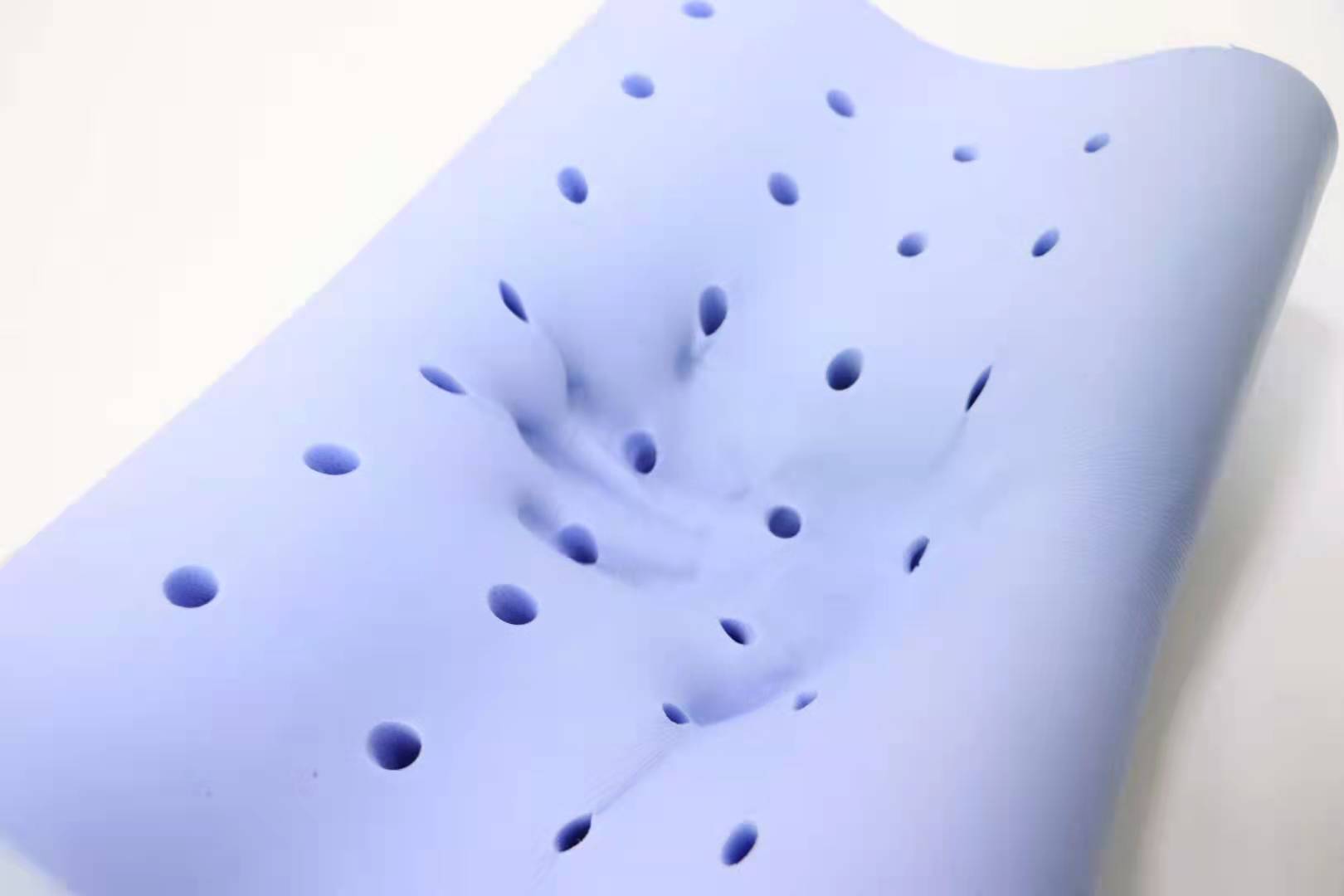
Memory foam |
Low-to-medium activity |
Fine cells and controlled recovery |
|
Rigid insulation foam |
High activity |
Fine closed cells and thermal insulation |
|
Spray polyurethane foam |
High activity |
Fast stabilization and dimensional stability |
|
Molded PU foam |
Application-specific |
Uniform density and consistent mold filling |
Flexible polyurethane foam requires a balanced cell structure with sufficient open cells to provide softness, elasticity, and breathability.
Silicone surfactants help stabilize the foam during expansion while allowing cell windows to open at the appropriate stage. Excessive stabilization may produce tight, closed cells, reducing airflow and making the foam feel too firm.
Typical applications include mattresses, upholstered furniture, automotive seats, cushions, and packaging foam.
Rigid polyurethane foam requires highly effective silicone surfactants to maintain fine, uniform, closed-cell structures.
These additives improve foam stability, help retain blowing agents, and support low thermal conductivity. Their performance is particularly important in systems using pentane, HFO, or water as blowing agents.
Typical applications include:
Refrigerator and freezer insulation.
Sandwich and construction insulation panels.
Cold storage facilities.
Industrial pipe insulation.
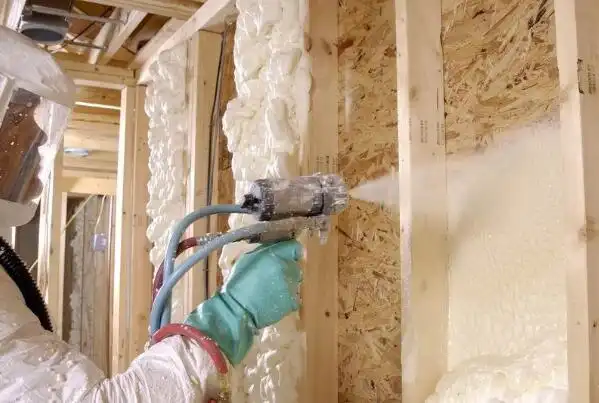
Spray polyurethane insulation.
Spray polyurethane foam requires fast and effective stabilization because the foam expands and cures under relatively demanding application conditions.
The appropriate surfactant helps maintain uniform cells, improve foam consistency, and reduce collapse or shrinkage during curing.
Choosing a suitable silicone surfactant depends on the foam formulation, production process, and final product requirements.
Key selection factors include:
Foam type: Determine whether the application requires flexible, rigid, molded, memory, or spray foam.
Activity level: High-activity grades are generally suitable for rigid foam, while flexible foam requires carefully controlled stabilization.
Molecular structure: The molecular weight, silicone-to-polyether ratio, and EO/PO content influence emulsification, compatibility, and cell stabilization.
Blowing agent compatibility: Consider whether the system uses water, pentane, HFO, or other blowing agents.
Hydrolytic stability: High-water formulations may require hydrolysis-resistant silicone surfactants to maintain storage and processing stability.
Processing conditions: Mixing speed, cream time, rise time, curing temperature, and demolding requirements can affect additive selection.
There is no universal silicone surfactant suitable for every PU foam system. Laboratory testing is recommended before large-scale production.
The dosage of silicone surfactants is generally expressed as parts per hundred parts of polyol (pphp). The optimum amount varies according to foam type, formulation, and product grade.
Typical starting ranges are:
|
PU Foam Application |
Typical Dosage (pphp) |
|---|---|
|
Flexible slabstock foam |
0.6–1.5 |
|
High-resilience foam |
0.3–1.2 |
|
Memory foam |
0.5–1.5 |
|
Rigid insulation foam |
1.5–3.0 |
|
Spray polyurethane foam |
1.0–2.5 |
These values are indicative starting ranges, not universal specifications. Always follow the supplier's technical data sheet.
Both insufficient and excessive dosage can affect foam quality:
Too little: May cause coarse cells, foam collapse, uneven density, and poor insulation performance.
Too much: May result in excessive cell stabilization, restricted airflow, shrinkage, or increased formulation costs.
For best results, conduct laboratory cup tests and evaluate cell size, foam rise, density, airflow, shrinkage, and thermal conductivity as appropriate.
Silicone surfactants are widely used in polyurethane foam manufacturing across various industries.
|
Industry |
Typical Applications |
|---|---|
|
Refrigeration |
Refrigerator and freezer insulation |
|
Construction |
Insulated sandwich panels and spray foam |
|
Automotive |
Car seats, dashboards, and interior cushioning |
|
Furniture |
Sofas, mattresses, cushions, and molded foam |
|
Industrial |
Pipe insulation and thermal protection |
|
Appliances |
Water heaters and household equipment |