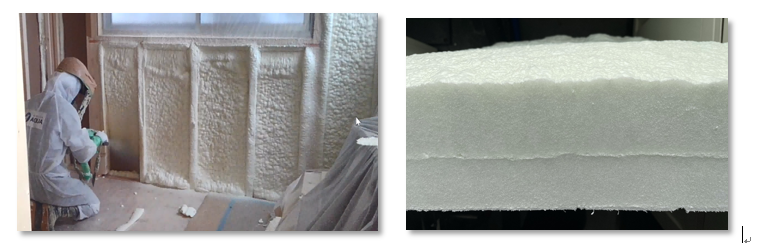
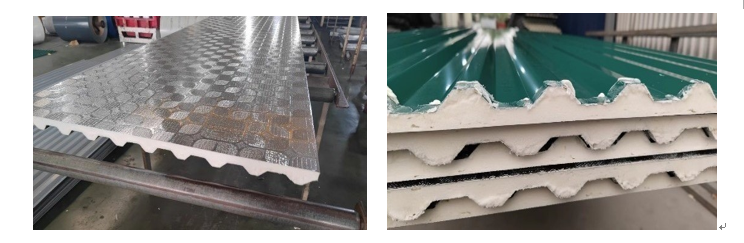
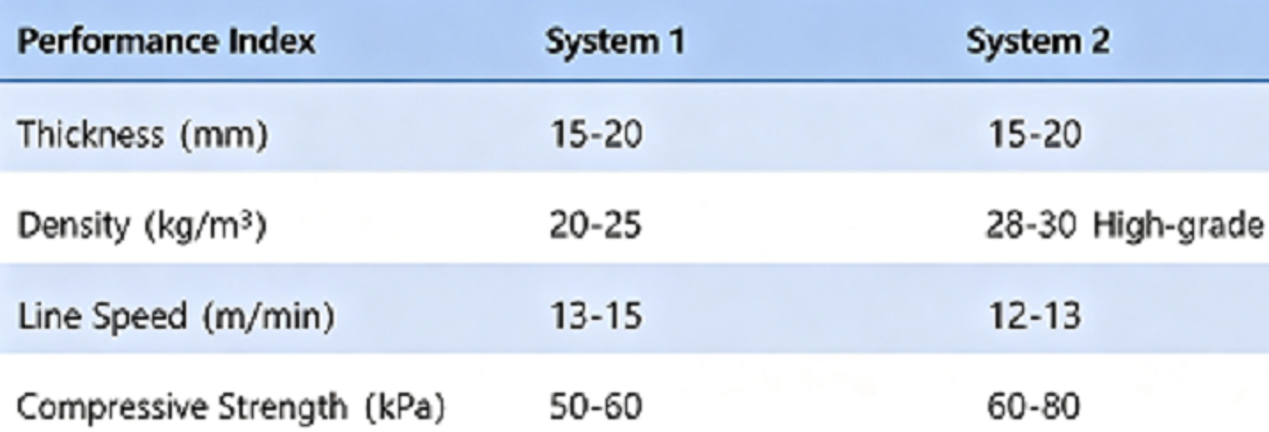
Water‑blown foaming uses only water as the blowing agent. The foaming action comes from the reaction between water and isocyanate, which generates carbon dioxide gas that expands the polyurethane foam. This method replaces traditional physical blowing agents (such as HCFC‑141b) and is much more environmentally friendly. Water-blown foaming uses water as the chemical blowing agent, resulting in an ozone depletion potential (ODP) of zero, which meets environmental requirements. The water-blown process poses no risk of flammability or explosion during production, and it can be directly adopted with existing foaming equipment without substantial retrofitting. Moreover, adoption of a specially formulated water-blown silicone surfactant effectively overcomes coarse cell structure and poor stability issues in water-blown foams, guaranteeing the manufacture of superior-grade foam products.
However, because no physical blowing agent is present to dilute or reduce viscosity, the formulated system has higher viscosity and poorer flowability. In addition, the reaction releases heat more intensely, which places greater demands on foam stability and cell‑structure control.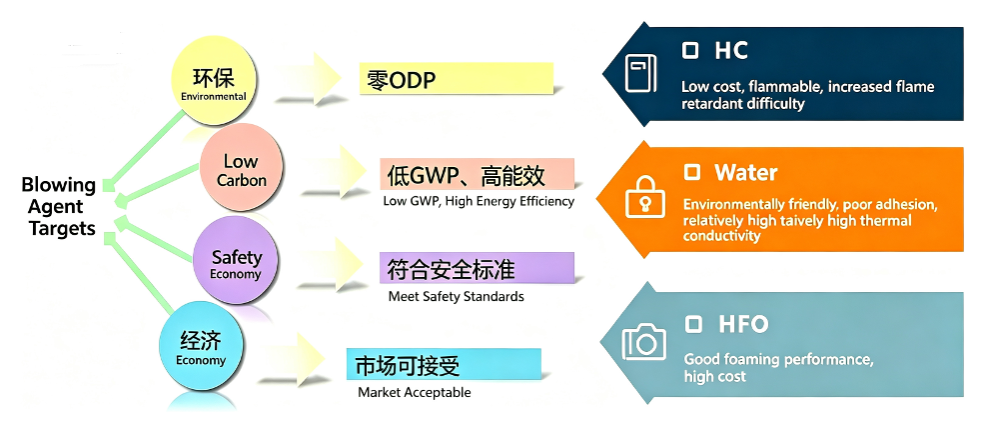
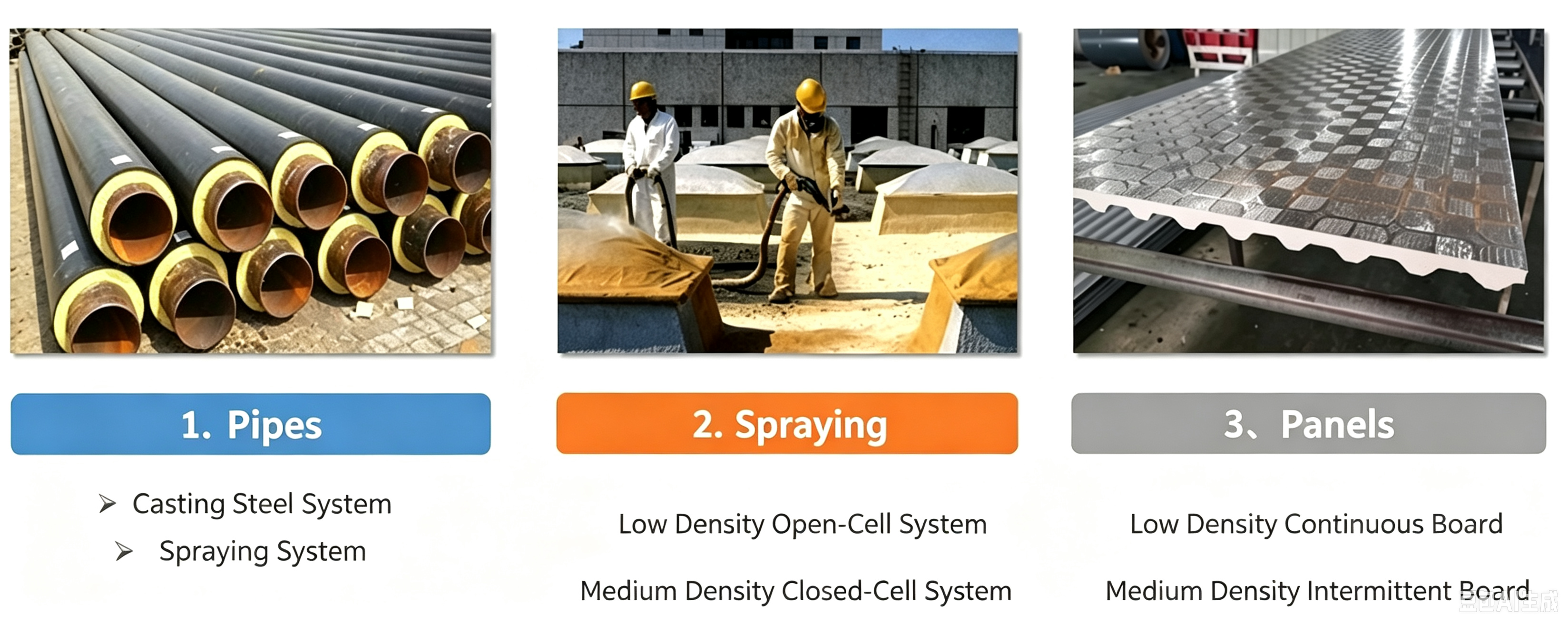
Now let’s introduce the application cases of our company’s water‑blown silicone surfactant XH‑1790 in these three areas.